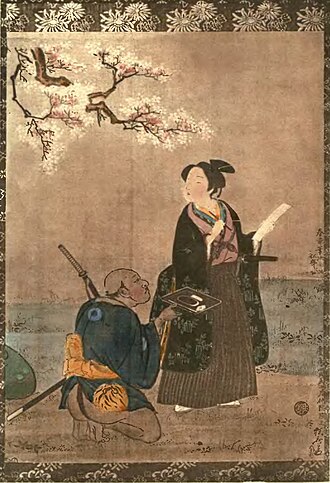
October 2026: Across cultures and across time, words and stories have taught us how to survive, thrive, and make meaning of life. Before the printed page, communities used speech, song, theater, ritual, and other living forms to share knowledge, resist oppression, celebrate joy, and hold memory. Join me in discovering and celebrating writers and storytelling traditions from around the world.
About the Jidai Matsuri
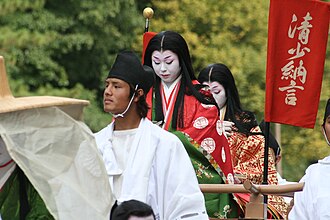
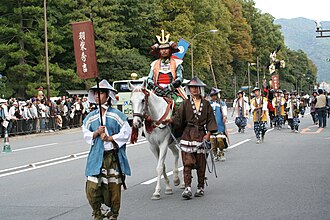
On October 22, the citizens of Kyoto, Japan, celebrate Jidai Matsuri, the “Festival of the Ages.” It’s a wonderful excuse for me to explore how poetry, prose, music, image, and memory have interwoven in Japanese life for more than a millennium.
In 1868, Japan transferred its capital from Kyoto to Tokyo. The Kyotans were not too pleased about this, and in 1895 established a major shrine and festival to commemorate the 1,100th anniversary of Heian-kyō’s 794 founding. (Kyoto’s ancestral name was Heian-kyō.) Thus, the Jidai Matsuri festival was born. Its main event remains a lavish costume parade within which around 2,000 people process backward through time. The procession begins with figures associated with the Meiji Restoration (1868–1889) and proceeds through successive eras until it reaches the early Heian court (the Enryaku era, 782–806). It sounds like an enthralling living pageant, with costumes and decorations that are painstakingly researched and recreated. Among the Heian-era figures, marching side by side, are Murasaki Shikibu and Sei Shōnagon, two court women whose work remains foundational to Japanese literature; we will come back to them shortly.
Waka Culture: Poetry as Performance and Prestige
Let’s start with the Heian court (794–1185), an era within which the graceful classical verse form waka was exchanged as part of courtship rituals, recited at gatherings, and written in exquisite calligraphy. An elaborate depiction of social grace, a successful waka poem combined direct feeling and allusion, elegance and spontaneity, no easy feat.
Poetry gatherings (often called uta-kai, or poetry parties) were lively public competitions where the “contestants” were given a topic and made to write a poem on the spot, all faithful to well-established rules of language, imagery, and literary reference. The entire package mattered: paper, handwriting, delivery, setting, and relationship between sender and recipient could all contribute to a poem’s meaning. In this way, uta-kai was simultaneously art and social discourse.
The clearest example of waka as performance may be the uta-awase, or poetry match. Beginning in the tenth century and continuing for centuries afterward, these contests divided poets into a Left Team and Right Team and gave them the same theme to work with; the poems would be judged by another accomplished poet. (It sounds like an ancient version of “Dancing with the Stars.”) A scribe or recorder, sometimes called a kazusashi, would document it all: the poems, the pairings, how closely the rules were followed. The more lavish contests might include music and ceremonial display, a full-on spectacle. Literary historians even note that some contests included a little courtly trash talk; ancient poetry slam meets rap battle, it sounds like!
Poetry as Storytelling

This social and performative life of poetry carried on with the rise of “poem tales,” known as uta-monogatari. This form wove short prose episodes into longer poems. Rather than treating a verse as a self-contained object, poem tales preserved the drama: flirtation, disappointment, separation, insult, longing, or recollection. One of the earliest and most influential examples of this style was The Tales of Ise (Ise monogatari), compiled around 980 by an unknown author or authors. It contains 143 episodes that lent intensity to even banal topics. Each featured one or more poems framed by brief prose explainers. Ninth-century courtier and poet Ariwara no Narihira is often linked to this form, though some literary historians believe these works were actually composed by several authors.
A Brief Timeline of Japanese Voices, Melding Song and Story
Over much of the early Heian period, in the ninth and tenth centuries, official writing and elite scholarship were written in classical Chinese. Women, who were generally excluded from formal Chinese education, had to resort to writing in Japanese using a phonetic script known as onna-de, or “women’s hand.” Instead of this being an impediment, their diaries, poetry, essays, and tales became a gift to the Japanese literary tradition.
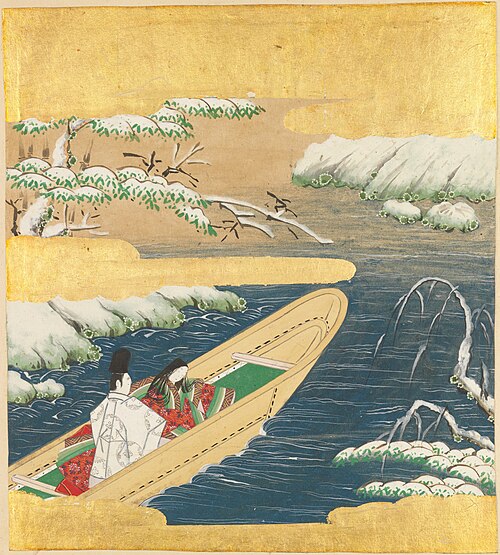
There are two women I’d like to introduce foremost, both from the Heian imperial court: lady-in-waiting Murasaki Shikibu, born around 973 and active into the early eleventh century. She wrote a saga of the romantic and political entanglements of Prince Genji and his forebears that is one of the earliest novels in any language. The Tale of Genji had it all: psychological complexity, searing depictions of desire and loss, and a musing on the classic conflict between characters’ public roles and their private feelings.
Also active at this time was Sei Shōnagon, whose work, The Pillow Book (ca. 1000), could almost be called experimental. It combined whimsically named lists (“Elegant Things,” “Hateful Things,” and “Things That Make One’s Heart Beat Faster,” for example) alongside her reminiscences and impressions, sharing tales of ceremony, gossip, weather, romance, embarrassment, and courtly competition, too. The Pillow Book is an example of zuihitsu (loosely connected or “random” jottings), but these were not trifles; Shōnagon lent a sharp sensibility to her writing that was uncommon for that era, much less from a woman’s quill.
Soon, storytelling would break away from the royal court and literally hit the road, through the performances of the thirteenth-century itinerant bards known as biwa hōshi. These often-blind performers accompanied themselves on the pear-shaped lute called the biwa, reciting and chanting the great war chronicle The Tale of the Heike. This epic recounted the clash of the Taira and Minamoto clans in the Genpei War of 1180–1185, with great detail to topics like the impermanence of life, battlefield valor, and political ambition and intrigue—all against the tumultuous backdrop of war.
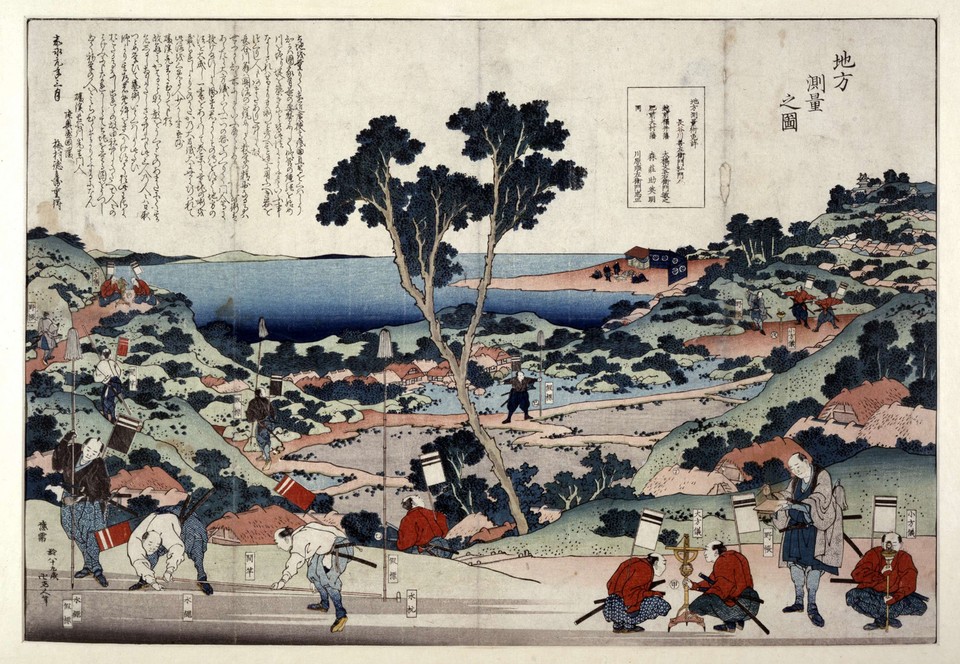
Japan’s Edo period (1603–1868) saw the rise of commercial publishing, urban culture, theater, and popular literacy, with writers such as Ihara Saikaku surveying the pleasures and pressures of city life. Other notable authors of this era include Chikamatsu Monzaemon and his puppet theater and kabuki plays, and Ueda Akinari, who wrote about the supernatural in works such as Tales of Moonlight and Rain (Ugetsu monogatari).
Poetry also flourished during this vanguard time. The haiku master Matsuo Bashō (1644–1694) transformed the hokku, a verse form that emerged from comic linked verse (haikai), into a vehicle for observation, solitude, humor, and spiritual transcendence. His travel prose, interwoven with haiku, is known as haibun. His posthumous work, The Narrow Road to the Deep North (Oku no Hosomichi, 1702), is a travel narrative about his months-long pilgrimage through Japan’s northern regions. Narrow Road alternates stylistically between prose and haiku, sharing portraits of friendship, fatigue, loss, and other staples of human life. His opus helped elevate the haiku into an artform and not just an amusing trifle.
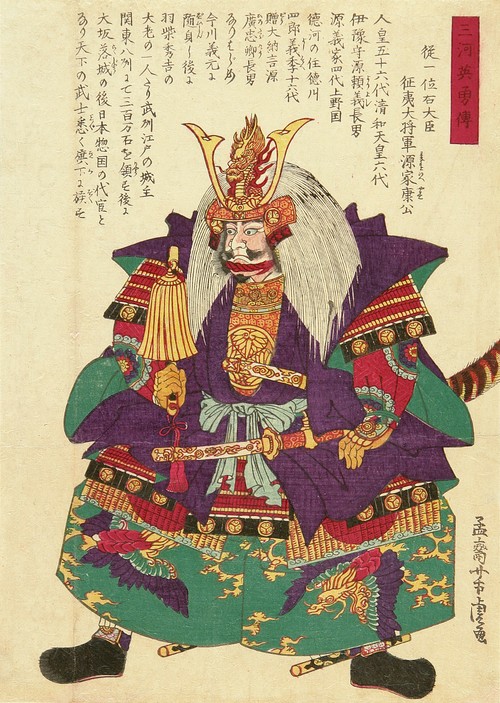
The Meiji era (1868–1912) saw the demise of the shogunate (a military government headed by a shōgun, which had exercised effective political power in Japan for centuries), and the rise of rapid modernization, expanded printing, and intensified contact between Japan and European and American literary forms. This was the time when society confronted innovations and incursions, including debates over language, gender, freedom, and national identity. We can point out the writers Natsume Sōseki and Mori Ōgai as precursors who helped establish the modern Japanese novel. Women writers were once again pertinent: Higuchi Ichiyō’s short fiction touched on women’s struggles with poverty and social strictures, and Yosano Akiko’s poetry challenged convention and brought something new to the fore, female desire.
In Japan, the twentieth century was a time of industrialization, empire, censorship, war, defeat, occupation, and reconstruction. The devastation of the Second World War and the US atomic bombings of Hiroshima and Nagasaki shrouded the nation under a deep sense of precarity, with writers grappling with a plethora of emotions: grief, responsibility, desperation, survivor’s guilt, and disillusionment. Postwar authors such as Dazai Osamu, Abe Kōbō, and Ōe Kenzaburō wrote in radically different modes, but all helped define a literary ethos of rupture and uncertainty. Women were active here too: Fumiko Enchi, Kōno Taeko, Ōba Minako, and later Yūko Tsushima wrote powerfully about gender, family, social expectation, trauma, and the afterlives of war.
Manga: Storytelling in Words and Images
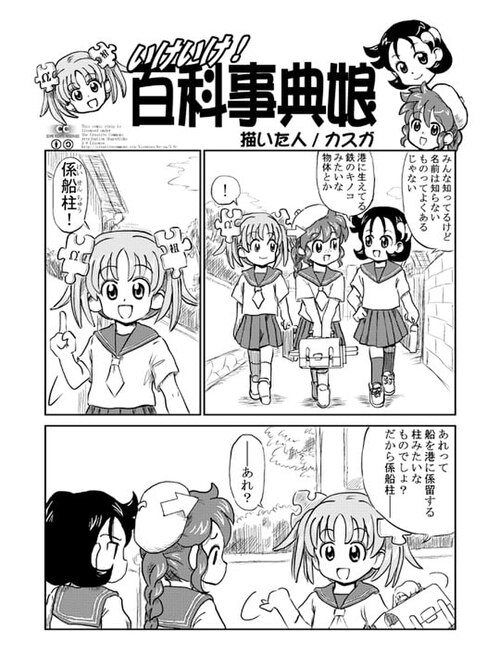
I would be remiss not to mention manga in this overview. The word manga, sometimes translated as “whimsical” or “random sketches,” appears in the title of Katsushika Hokusai’s popular nineteenth-century sketchbooks, dating all the way back to 1814. This oeuvre was part of what would ultimately be a fifteen-volume series (it was such a hit that publishers kept expanding it). These lively books contained figures of people, landscapes, random objects, animals, and everyday scenes, innovative to the print world. They were not comics in the modern sense, but more of a new genre of expressive storytelling through the marriage of image and text.
Modern manga disseminated through newspapers, magazines, commercial publishing, and postwar mass culture, especially after World War II. Osamu Tezuka, creator of the iconic Astro Boy, helped popularize cinematic pacing, dynamic panels, and long-form serial storytelling into the form. Through him, manga narrative provided it all: adventure, science fiction, humor, ethical musings, and complex emotional arcs. Astro Boy later became Japan’s first thirty-minute serialized television anime, seeding an enduring relationship among manga, animation, television, and global pop culture.
Many of us tend to misjudge the genre. Manga is not one single style, nor is it uniquely for children. You’ll find themes ranging from romance to political satire; history and memoir, alongside mystery and domestic drama; horror, sports, fantasy, and experimentalism too. Postwar artists such as Yoshihiro Tatsumi developed the gekiga movement, grittier, more realistic fare tailored to older readers. In fact, the term gekiga (“dramatic pictures”) announced a cultural ambition to broaden the emotional and artistic range of manga.
Women artists have also been central here, too. In the 1960s and 1970s, a group of influential creators called the Year 24 Group took shōjo manga (comics initially marketed to girls) to the next level. Some of the better known artists from this school were Moto Hagio, Keiko Takemiya, and Riyoko Ikeda. Their works brought manga into the contemporary scene, combining psychological depth, formal experimentation, historical settings, intense interiority, and even queer desire to the page, challenging assumptions about what women could create and what girls would read.
There’s also an interesting link between manga and the Heian writers: The Tale of Genji has been reimagined in manga as well. This isn’t surprising, given the form’s attention to gesture, mood, dialogue, visual detail, and emotional subtext, all perfectly suited to stories of courtly longing, social change, and private feeling.
Haruki Murakami, Arguably Japan’s Most Adored Living Writer
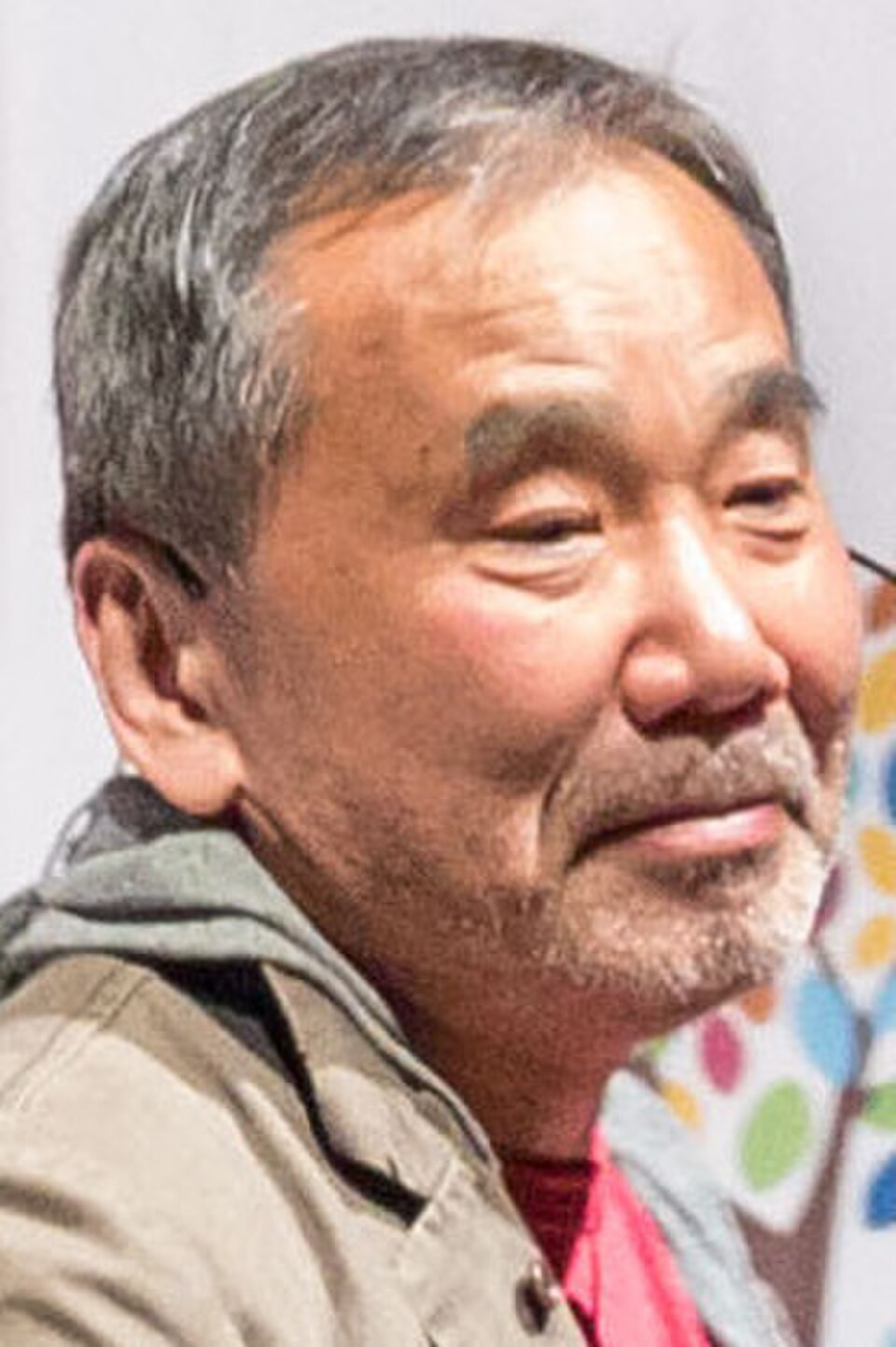
Haruki Murakami, born in Kyoto in 1949, emerged in the late twentieth century as Japan’s most internationally recognized contemporary novelist. His fiction draws freely on American popular culture including jazz music and hard-boiled detective stories, but also on European fiction and the surreal, while fully and distinctively Japanese: emotional restraint, the power of absence, the shakiness of memory, and the weird dance between the everyday and the uncanny. His spare, propulsive style has thrilled global readers and writers through novels such as Norwegian Wood, The Wind-Up Bird Chronicle, Kafka on the Shore, and 1Q84.
As prolific and celebrated as he is, Murakami is just one exponent of contemporary Japanese literature’s offerings to the world. Mieko Kawakami, Sayaka Murata, Hiromi Kawakami, Banana Yoshimoto, Yōko Ogawa, Yōko Tawada, Yu Miri, Hiroko Oyamada, Natsuo Kirino, and Keigo Higashino are other contemporary Japanese writers collectively exploring topics as broad as feminist inquiry, intimacy, work and precarity, migration, ecological unease, surrealism, crime, family life, grief, and social satire. As we recognize Kyoto’s backwards-looking celebration, we can also enjoy a robust, living pantheon of voices and styles to encounter.
A Quick Run Down on Some of the Writers Mentioned and their Major Works (And a Few Others I Couldn’t Fit)
- Murasaki Shikibu (c. 973–c. 1014 or later), The Tale of Genji — Courtly intrigue, desire, loss, and psychological depth in a work often considered the world’s first novel.
- Sei Shōnagon (c. 966–c. 1017 or later), The Pillow Book — Witty, exacting observations of court life, arranged as lists, anecdotes, impressions, and scenes.
- Ariwara no Narihira (825–880), poems associated with The Tales of Ise — A central poetic figure in an anonymous poem-tale collection that helped fuse lyric poetry and prose fiction.
- Matsuo Bashō (1644–1694), The Narrow Road to the Deep North — Haibun: a spare and meditative weaving of travel prose and haiku.
- Higuchi Ichiyō (1872–1896), “Child’s Play” and “Troubled Waters” — Brief but influential Meiji-era fiction attentive to class and women’s constrained lives.
- Yosano Akiko (1878–1942), Tangled Hair — Bold, sensuous poetry that expanded the range of women’s literary self-expression.
- Osamu Tezuka (1928–1989), Astro Boy — A foundational postwar manga creator whose long-form, cinematic storytelling helped shape both manga and anime.
- Yoshihiro Tatsumi (1935–2015), A Drifting Life — A key figure in gekiga, the movement that brought realistic, adult-oriented subjects to manga.
- Moto Hagio (born 1949), The Heart of Thomas and The Poe Clan — A pioneering Year 24 Group artist known for psychologically rich, formally innovative shōjo manga.
- Keiko Takemiya (born 1950), The Song of the Wind and Trees — A landmark work in shōjo manga and boys’ love storytelling.
- Fumi Yoshinaga (born 1971), Ōoku: The Inner Chambers — An acclaimed alternate-history manga that uses gender reversal to examine power, inheritance, government, and gendered social roles.
- Haruki Murakami (born 1949), Norwegian Wood, The Wind-Up Bird Chronicle, Kafka on the Shore, and 1Q84 — Dreamlike, internationally influential novels of loneliness, memory, music, and parallel realities.
- Banana Yoshimoto (born 1964), Kitchen — Emotionally direct fiction about grief, chosen family, and spiritual searching.
- Hiromi Kawakami (born 1958), Strange Weather in Tokyo — Quiet, intimate, slightly uncanny fiction about connection and solitude.
- Natsuo Kirino (born 1951), Out — A major crime and noir novelist whose work examines gender, violence, labor, and social constraint.
- Yōko Ogawa (born 1962), The Housekeeper and the Professor and The Memory Police — Precise, unsettling fiction that turns memory, mathematics, and loss into haunting narrative structures.
- Yōko Tawada (born 1960), The Emissary and Memoirs of a Polar Bear — Experimental, translingual writing that explores language, migration, bodies, and belonging.
- Mieko Kawakami (born 1976), Breasts and Eggs and Heaven — Fiction and essays that confront gender, the body, inequality, and social judgment.
- Sayaka Murata (born 1979), Convenience Store Woman and Earthlings — Sharp, unsettling satire about conformity, work, family, and the rules that define “normal.”
- Yu Miri (born 1968), Tokyo Ueno Station — A Korean Japanese novelist and playwright whose work considers exclusion, displacement, class, and memory.
- Hiroko Oyamada (born 1983), The Factory — Absurdist, unsettling stories of labor, bureaucracy, and alienation.
- Keigo Higashino (born 1958), The Devotion of Suspect X — A widely read mystery writer known for elegant puzzles and psychological suspense.
As a member of the San Miguel Writers’ Conference and Literary Festival’s Bridge Builders Committee, I curate a short monthly series for the Festival’s newsletter highlighting Global Voices. That brief overview is published in English and Spanish in the newsletter; the longer essays publish here, in English and in Spanish. Reality Check: While I have not and cannot read all the books I refer to, I am savoring the discoveries as I read, listen, watch, and explore what I can on this global cultural voyage. That’s the spirit of this venture, so I hope it brings you some discovery, delight, and appreciation for our wonderful world of creative people and traditions. I’m also the founder of Brave Sis Project, and reside in San Miguel de Allende, Mexico.