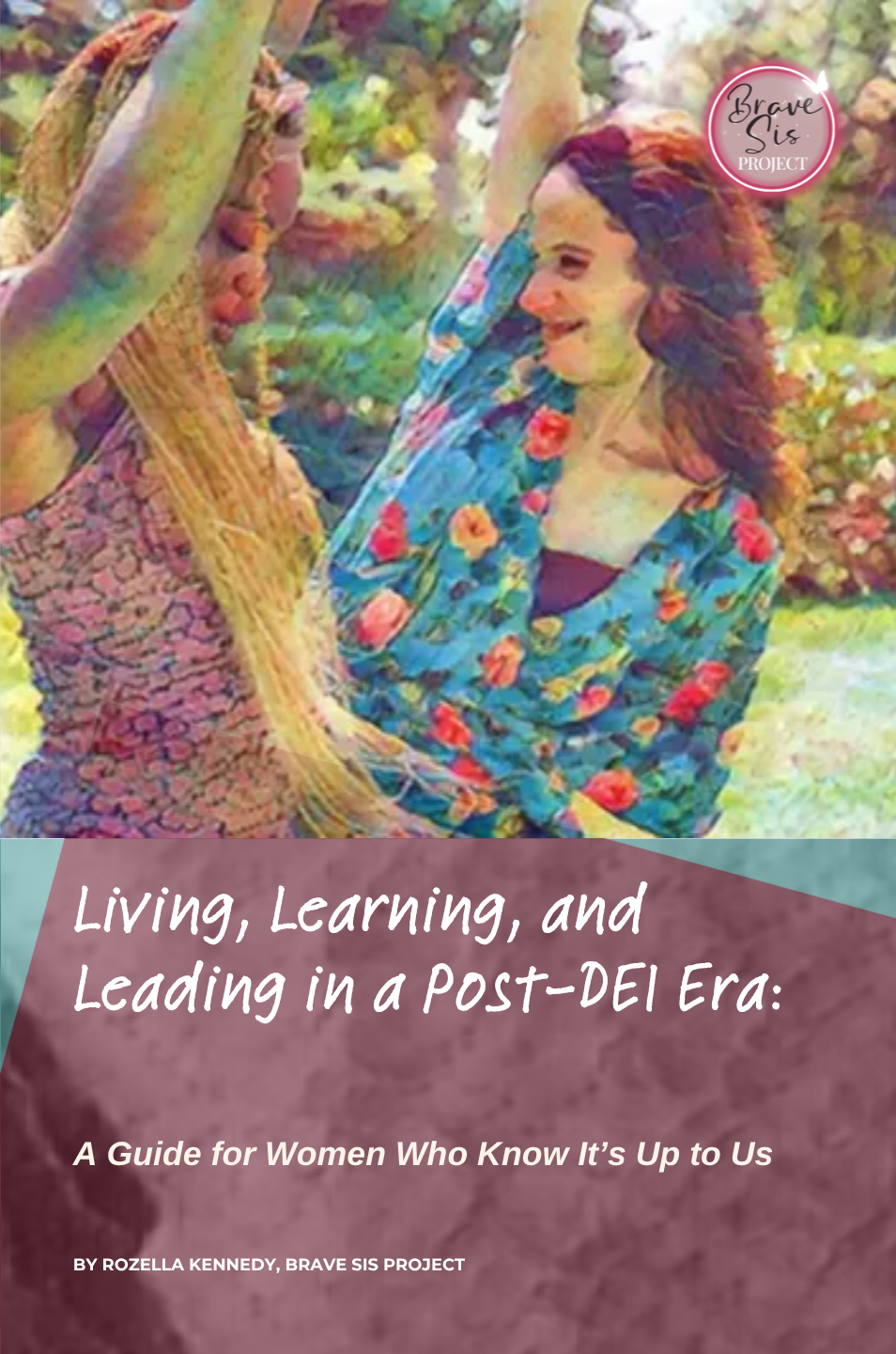
 New book-in-progress! Coming early 2027. Your resource for learning and leading in a post-DEI society.
Paperback: $18.99, 232 pages
If you are a white woman aspiring to allyship, you don’t want to stay seated on your comfy couch. If you are a Black woman or a woman of color, you want to navigate mixed-race spaces without losing your mind or your peace. Either way, you can’t afford to burn out.
Good intentions are no substitute for accountability. Today’s world depends on women—we have always been the ones to lead. Guided by the wisdom of our Black, Brown, Asian, and Indigenous Foremothers, this book is your pragmatic and probing guide for our era, written by the award-winning Founder of Brave Sis Project.
Introduction: A Life Between Cultures and Communities
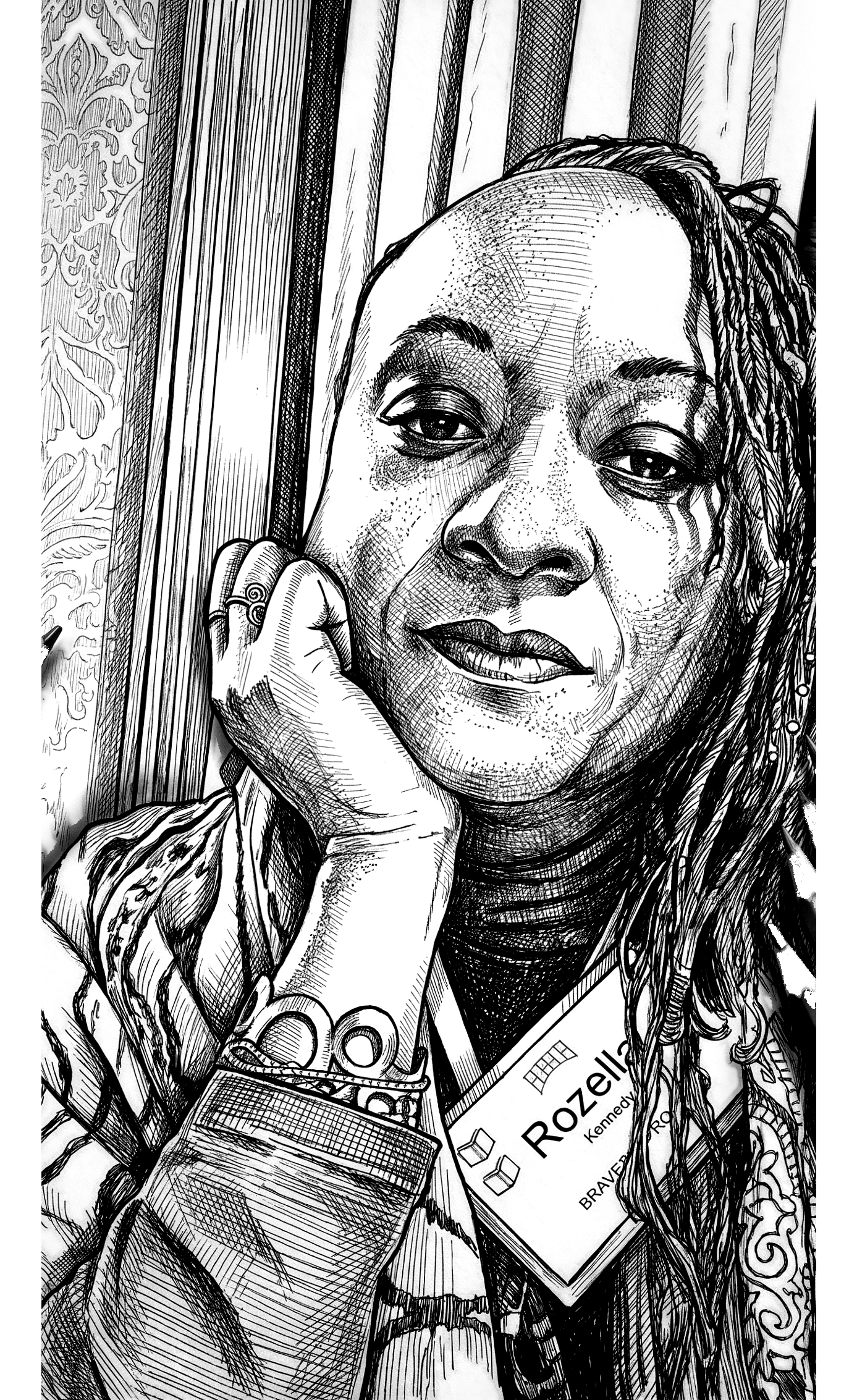 Welcome! This chapter talks about my life between worlds. The Bronx and Brearley, Paris, New and (Old) Mexico, my many friends and my marriage have all taught me to read culture, race and class from every angle. Over the past decade, white women kept bringing their allyship worries to me, and my work pivoted from storytelling to coaching and facilitating. This book is the body of work that came out of that, so readers can find their own answers, based on the foundational Brave Sis Project Solidarity Lab framework: SAIN et SAUF™ (Sustainable, Authentic, Inclusive, Nurturing Solidarity and Unity Framework)
1. What Comes After DEI
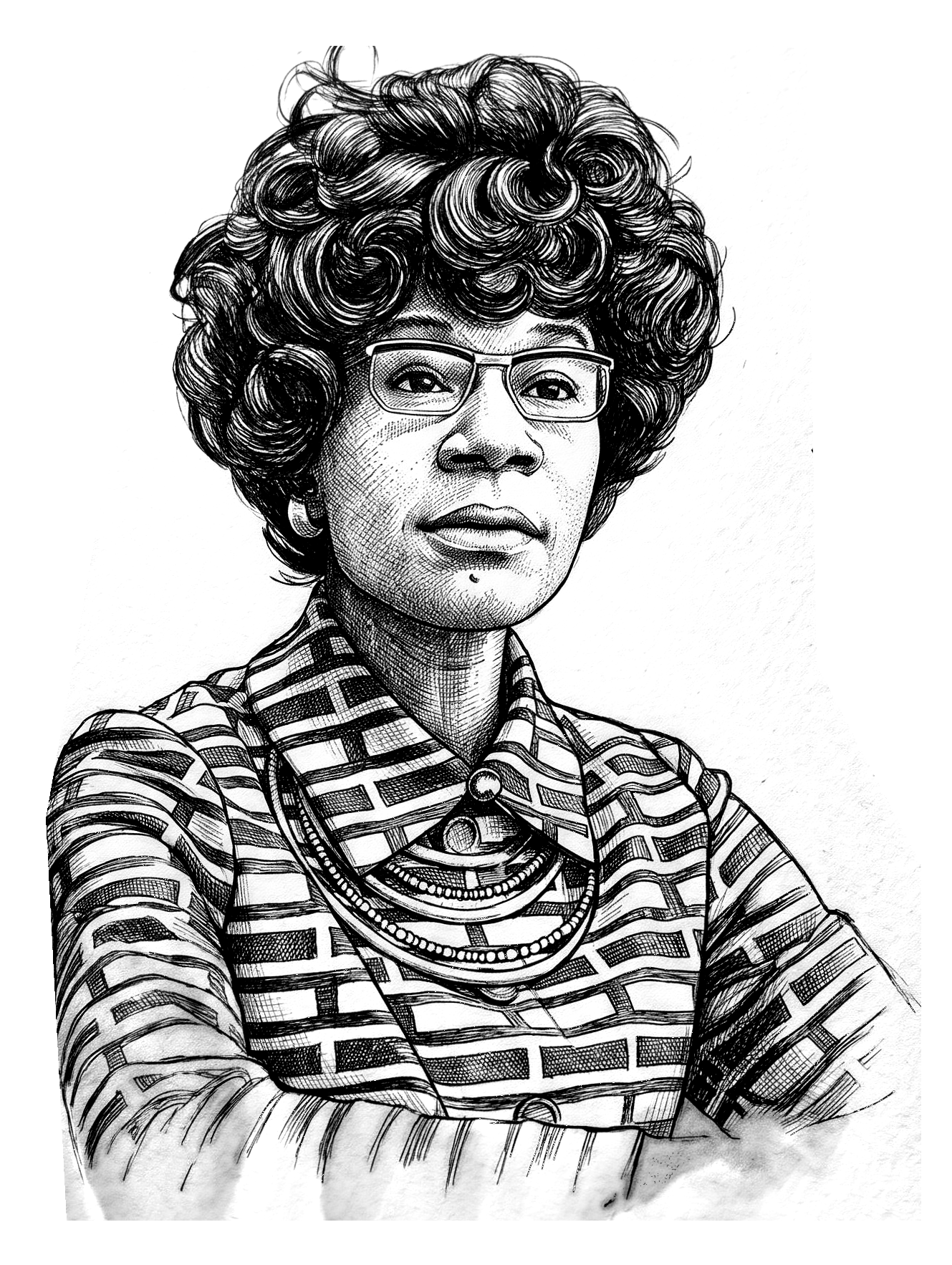 DEI collapsed because so many of the professions and value statements turned out to be not much more than posture: statements, trainings and checklists that looked like commitment, but fell away as soon as they became inconvenient or disapproved of by some of the powerful. And today, relationships across race are now broken in three directions: between institutions and the values they claimed, among women, and inside individual hearts, where fear, frustration and fatigue make retreat feel easier. But we all have a stake in solidarity and justice: what happens to Black women first, eventually comes for everyone. Leadership for this era comes from within, and it’s up to us to rebuild towards our future.
Allyship can’t be claimed; it is earned, not declared.
2. 2027 Is Not 1968, 1987, 2011, or Even 2020
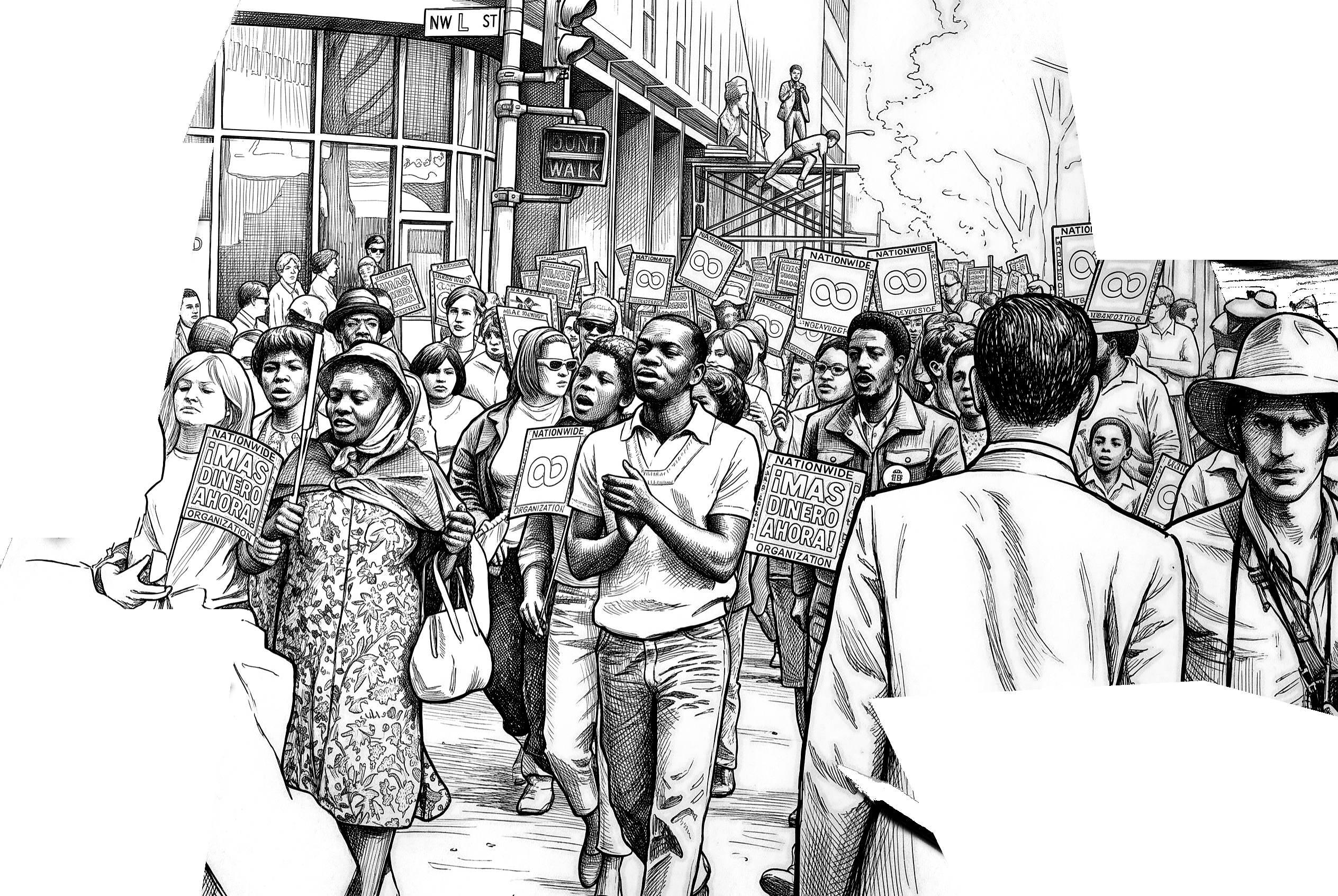 The way we take action has to change with the times, from breaking things down to rebuilding new ones. Protest has looked different in each era: Vietnam, ACT UP, Occupy, 2020. One-size-fits-all won’t cut it in this post-DEI era, and classic approaches and “diversity templates,” like checklists or compliance guidelines, don’t really meet the moment. These generational differences create different expectations, not just for protest, but also how we communicate and collaborate. These nuances and differences are important facets of working across difference.
3. SAIN et SAUF
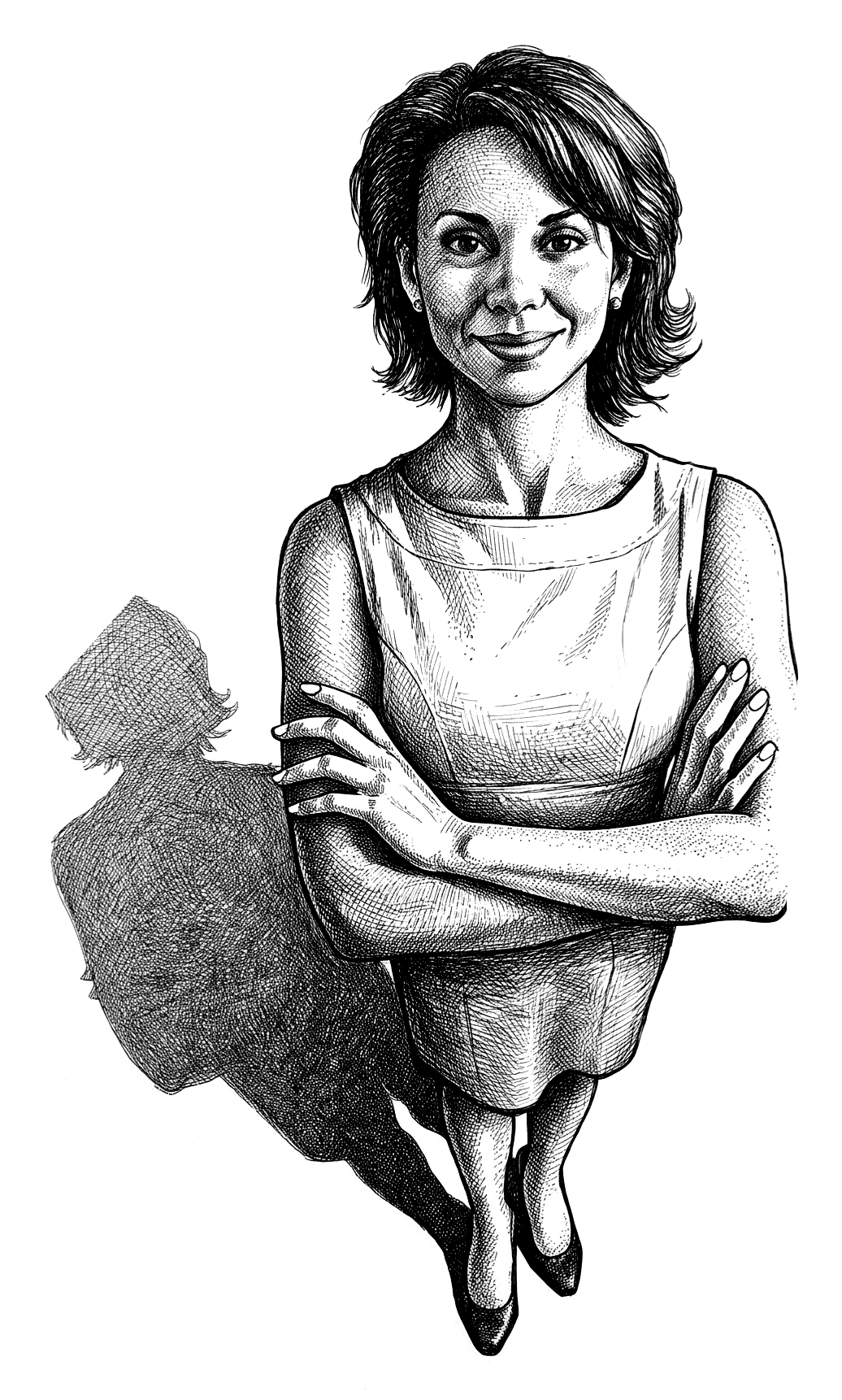 This chapter explores our foundational framework, SAIN et SAUF™: Sustainable—built for the long haul; Authentic—aligning values, words, and actions; Inclusive—sharing power across difference; Nurturing—fostering care, growth, and accountability; plus Solidarity—standing together, acting for one another; and Unity—shared purpose without requiring sameness. Each pillar offers guidance for BIPOC readers, white readers, and everybody. Portraits of great Foremothers in history inspire us along the way.
4. Monoculture and the Many-Headed Monster
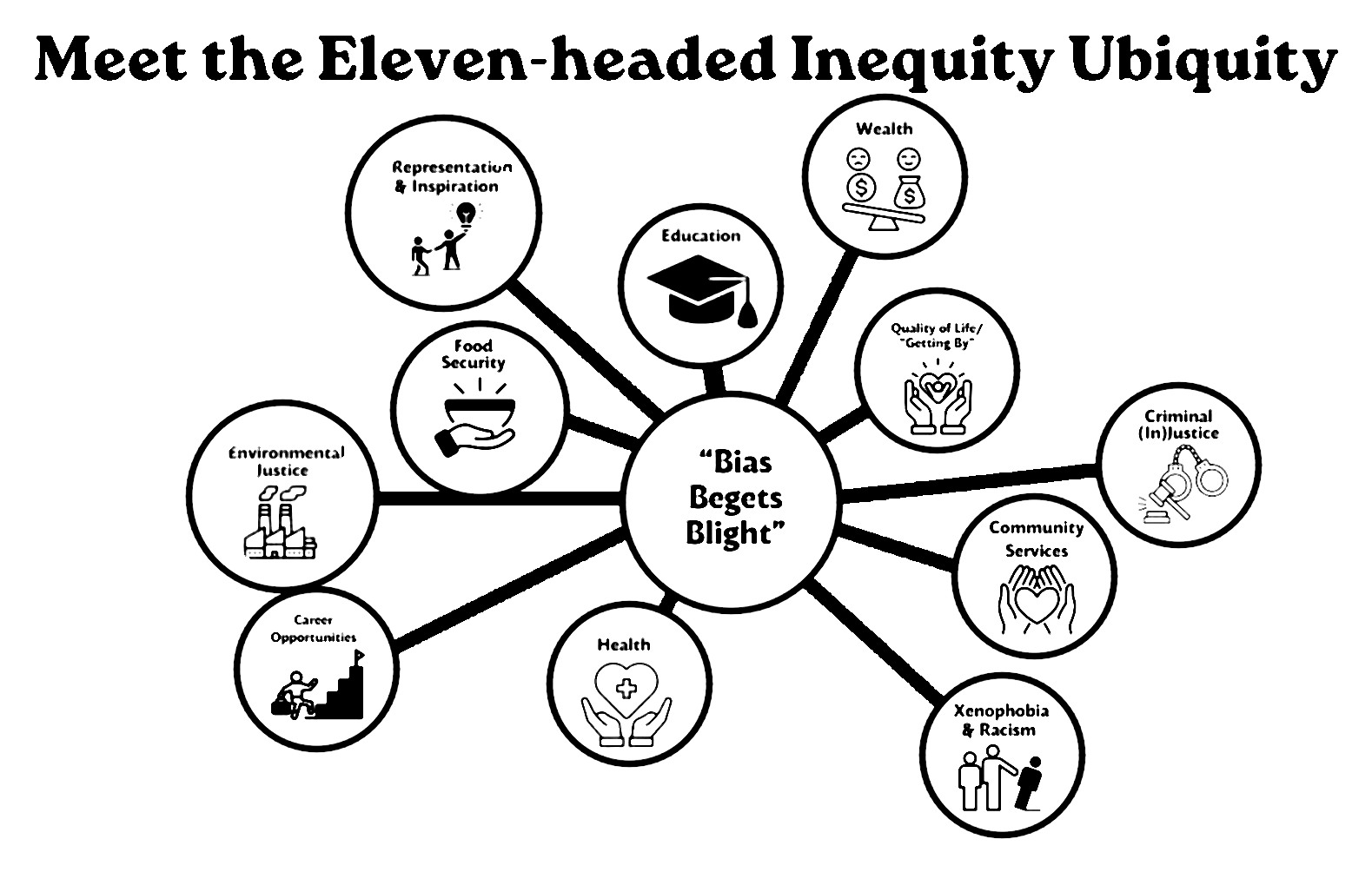 Monoculture positions whiteness as the neutral default that everyone else has to fit around. Along with this constraint, gender “norms” impose restrictive expectations on women, where being “nice” is too-often preferred over “kind.” On top of that, pervasive stereotypes such as the Mammy, Jezebel, Sapphire, and Superwoman still shape how Black women—and frankly, many women of color—are stereotyped. This chapter looks at how bias starts out as a survival mechanism, but when codified into racial and power hierarchies, mutates into discrimination and unfairness across institutions and societies. Our image of an eleven-headed monster called Inequity Ubiquity helps us connect the dots and see how bias begets blight across health, wealth, education, justice and many more facets of life.
5. Don’t Go Coronating Yourself an Ally
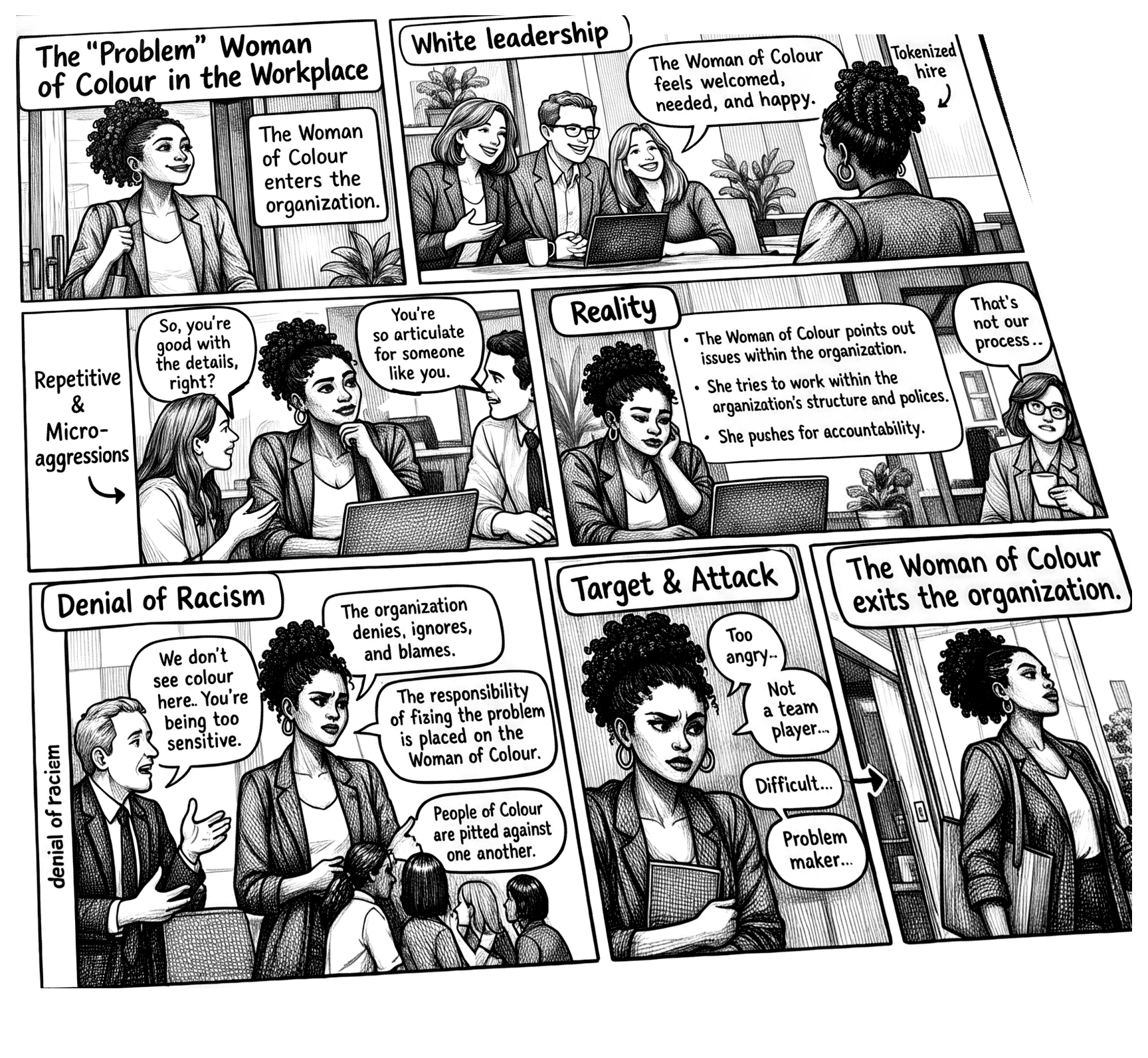 Our foundational tenet is that allyship can never be claimed, it must be earned. This chapter names some common mistakes that deeply weaken trust: confusing charity with solidarity; practicing tokenism and stereotyping; giving in to the Three Fs: Fear, Frustration and Fatigue, and more. It provides some helpful resources for your toolkit in championing unity across difference, all aimed to increase your awareness. We examine Brave Sis Project’s organizational framing of relationships across difference existing on a continuum from Unengaged to Ally, Advocate to Sister, and how to keep going in your Sustainable commitment to change.
6. Navigating Difference and Sameness
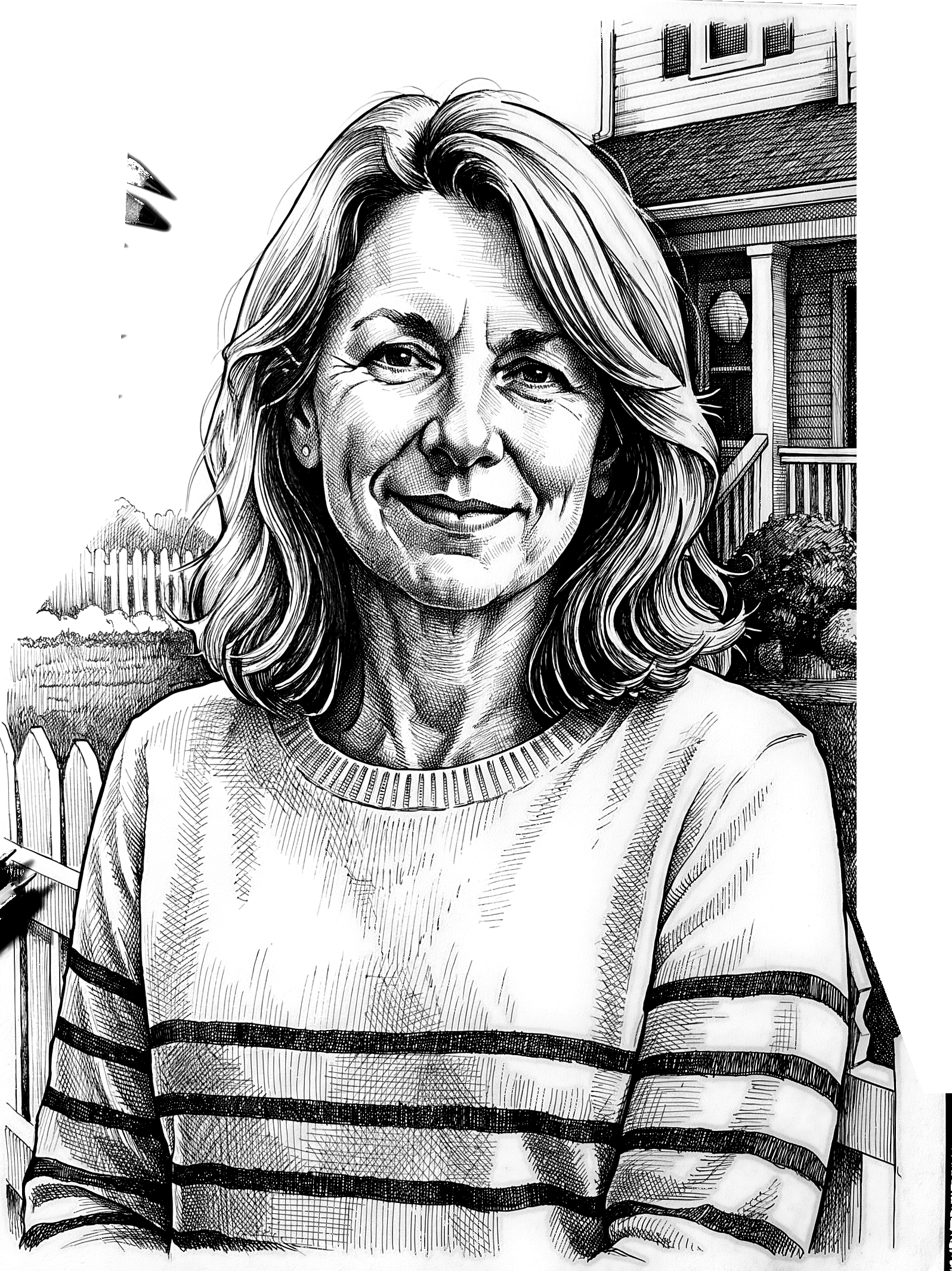 Groups pressure members to sync up and conform. In a society that has specifically conditioned women toward conformity, pleasing, and clique-based belonging, personality differences, not character flaws, are often at the root of conflict in spaces united by a shared mission. This chapter introduces six white archetypes, from Greta the Grounded Neighbor to Frances the Freedom Fighter, and two women of color, Tricia, Who Is Tired, and Sistergirl Sofia, a Brown woman rejecting anti-blackness, and shows where each pairing works and where there’s strain.
It also covers Bless and Release (how to go on when a woman of color rejects relationship with white people, increasingly common in these times) and more.
7. Power and Care
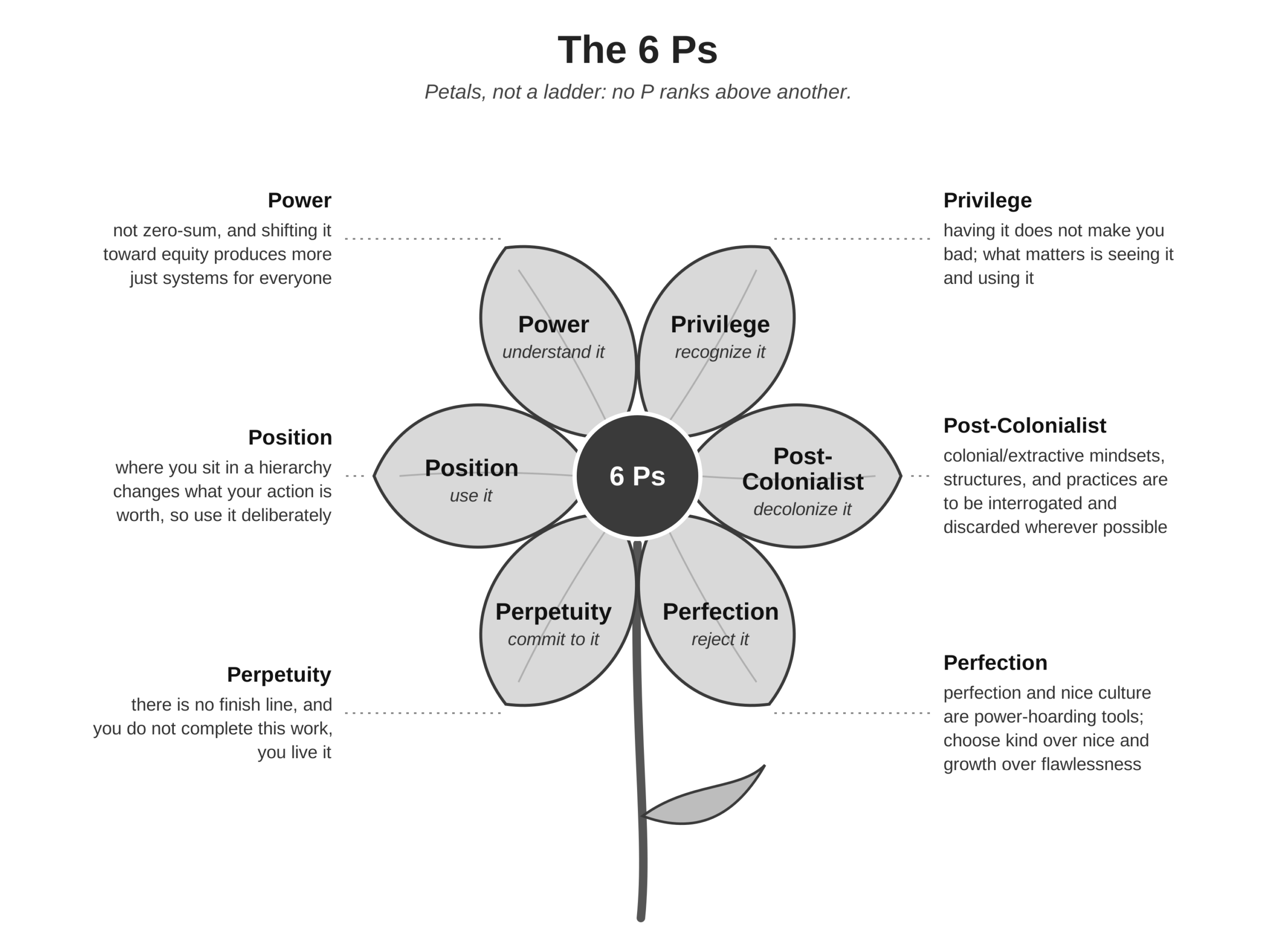
So many different dimensions and definitions of power swirl around us, and unpacking some of the systems and setups can help make us more aware and solid in our solidarity work. This chapter discusses how Privilege + Position = Power, and asks us to consider where we hold advantage across 23 different vectors (some will be surprising). It names who traditionally holds power and how, examines the Four Types of Power (power over, power with, power to, power within), the difference between visible and invisible power, and more. Then we shift to care, considering some tools for repair, the difference between intent and impact, how microaggressions are compounding paper cuts that become real injury, and more.
8. Words Matter
Every sentence makes a choice about who is centered, who is invisible, and who is stereotyped, and those choices can build or break trust. Misused, outdated, or careless language can signal contempt or indifference, alienating the very people we hope to reach. This chapter ties our language habits to the Privilege Map of Chapter Seven, and raises our sensitivity to terms, slang and the origins of some common expressions that we use without even thinking—unless we are on the other side of them. Some media, movies, songs, and books we once loved merit a discerning eye. The chapter ends with how we can correct one another without humiliation, shame, or blame.
9. Safe and Sound
 This chapter explores how to sustain the work over time, recognizing that a commitment to Beloved Community does not require remaining in every relationship or space. It offers women of color eight practical tactics, alongside guidance on boundaries, release, and self-love, while asking white women already engaged in the work to deepen their responsibility and commitment. The chapter closes by inviting readers to make concrete commitments of their own.
10. SAIN et SAUF Around the World
Brave Sis Project Solidarity Lab’s SAIN et SAUF™ framework was shaped by experiences and teachings in the United States, but we live in an interconnected world, where pluralism is an important component of solidarity and unity. Our final chapter tests each pillar against other cultures, from Indigenous America to South Africa, the Andes to Australia, and Afro-Mexican recognition to East Asia’s ideas of “face” and nunchi. This expansive practice invites us to check our US-centric assumptions about what sustainability, authenticity, inclusion and care look like in other cultures. What reads as solidarity in one culture can create an entirely different sensation in another, so the goal is to keep learning, and keep being inspired.
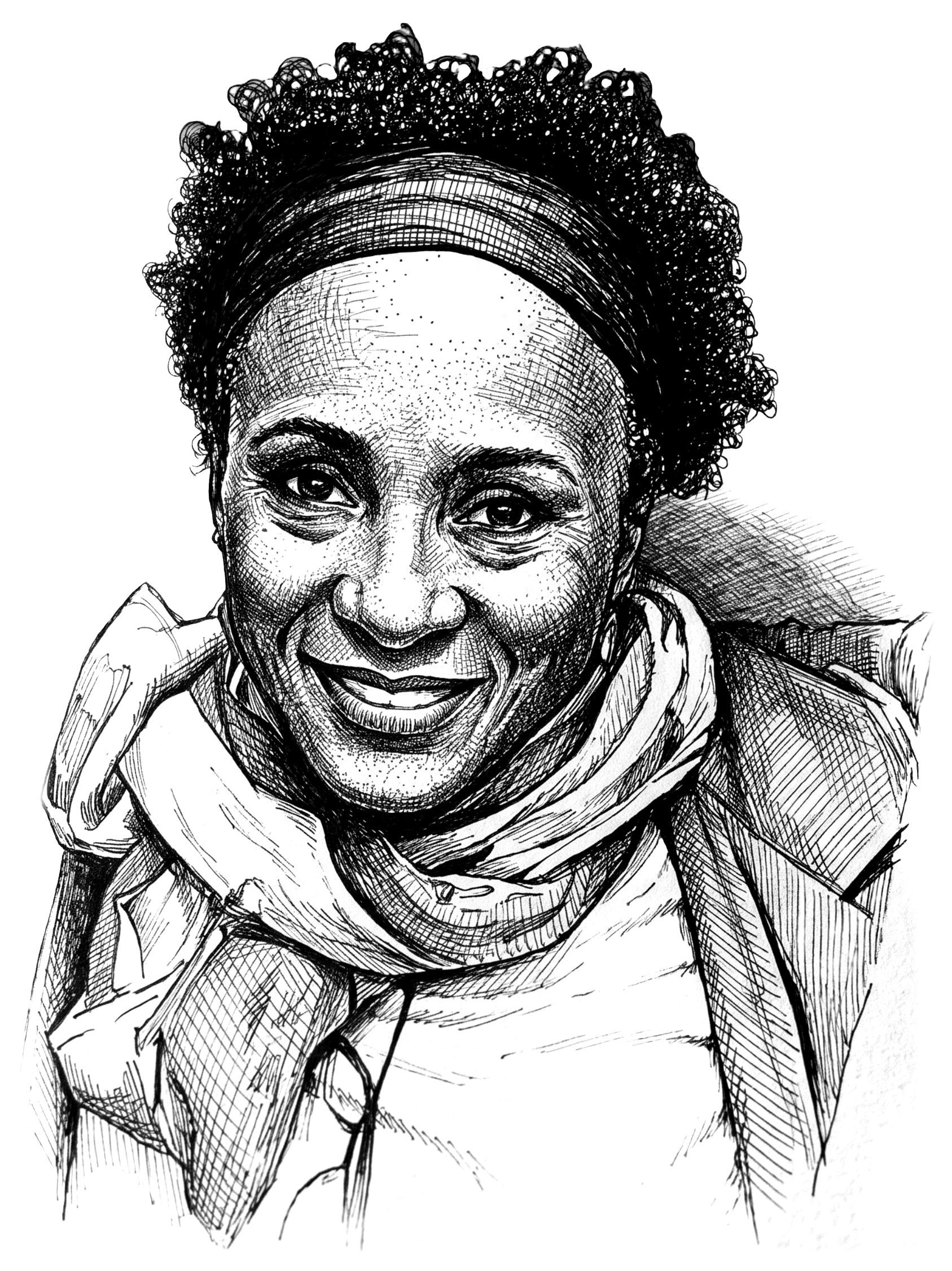 Rozella Kennedy is the founder of Brave Sis Project and the author of the Nautilus Award-winning Our Brave Foremothers: Celebrating 100 Black, Brown, Asian, and Indigenous Women Who Changed the Course of History (Workman/Hachette, 2023), which has reached readers across six continents. She brings more than thirty years of nonprofit leadership, including corporate DEI work, service as New Mexico’s state Hunger Coordinator, management and fundraising in social impact and performing arts organizations, coaching and facilitation, and engagement in global humanitarian sectors. Describing herself as a post-colonial feminist, she continues to deepen her practice of cultural relativism and uplift. She holds a master’s degree in French Caribbean women’s literature from the Sorbonne and writes the SistoryLessons newsletter and Substack series. She is also working on a new book: World Brave Sis: 100 Dream-Time Dialogues with Women Who Led the Way.